Climate Change
Mitigation Solutions
Solar Off Grid
Power Stations
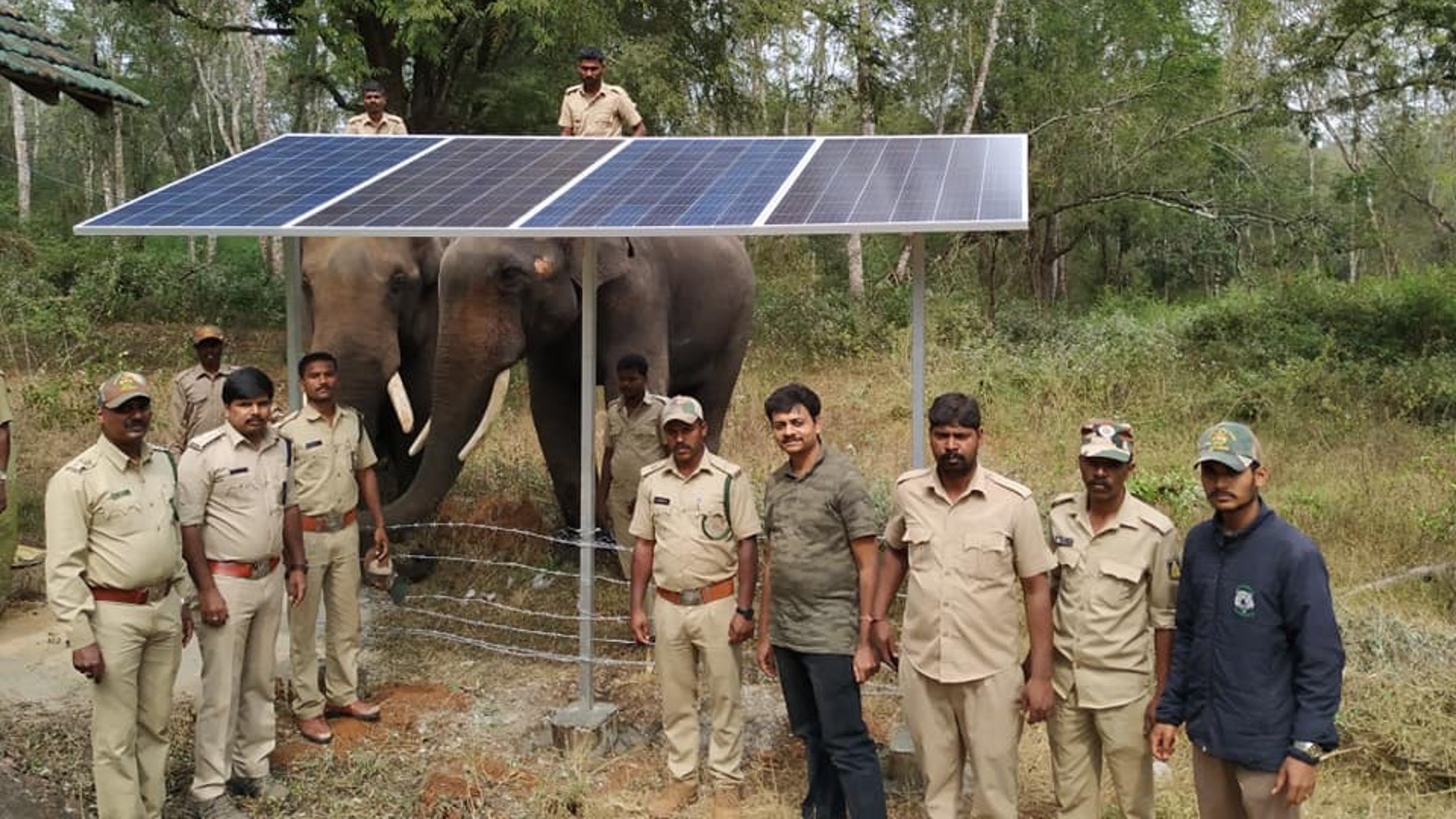
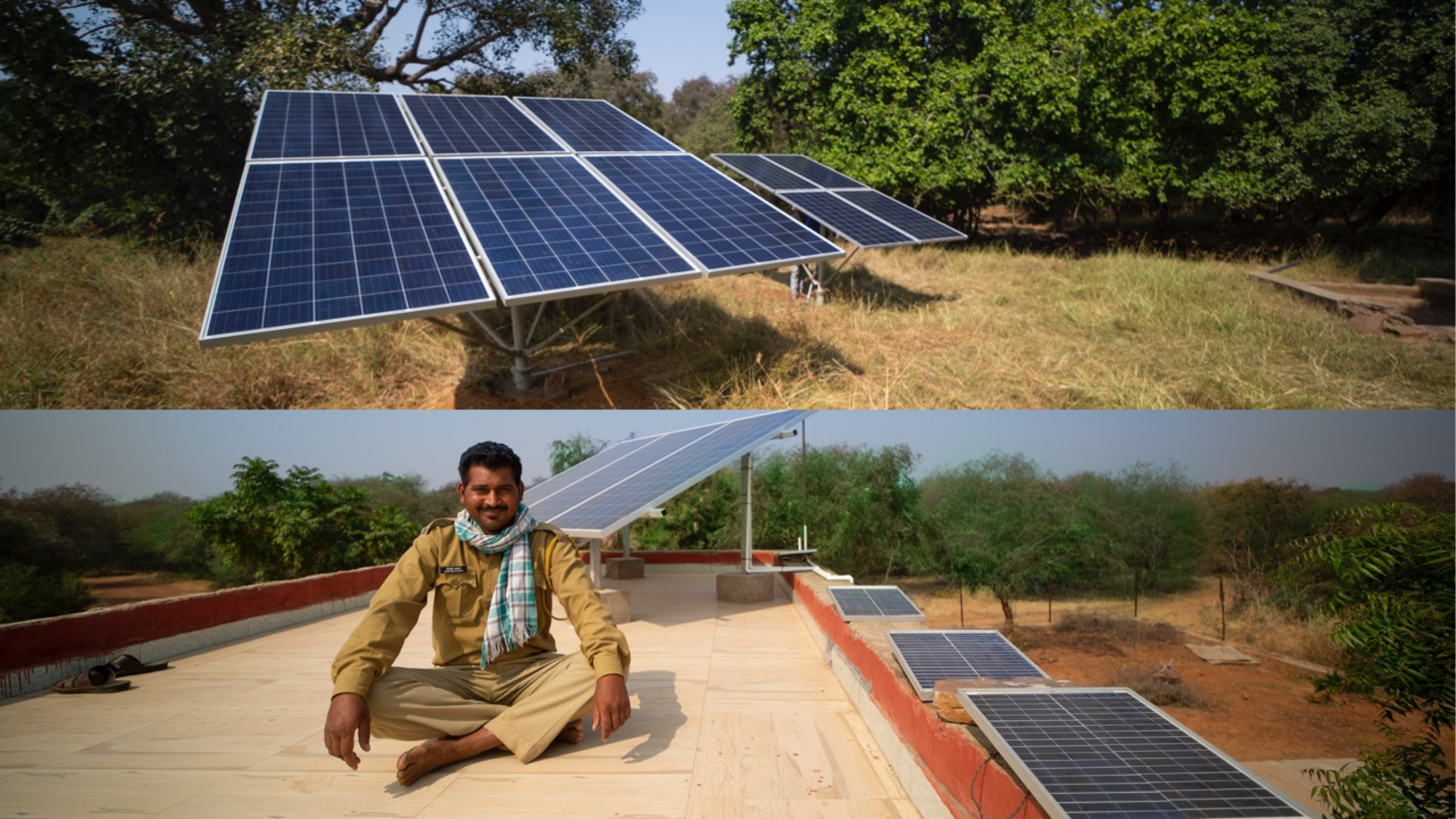
for Antipoaching camps like Solar Off Grid systems in remote areas of protected Reserves
Green Energy
Vehicles
for Forest Management and Tourism: Electric vehicles (Gypsies and Campers)
Solar Powered
Water Distribution
Solar powered pumps for water supply and management to remote dry areas, replacing diesel pumps
Marine
Conservation
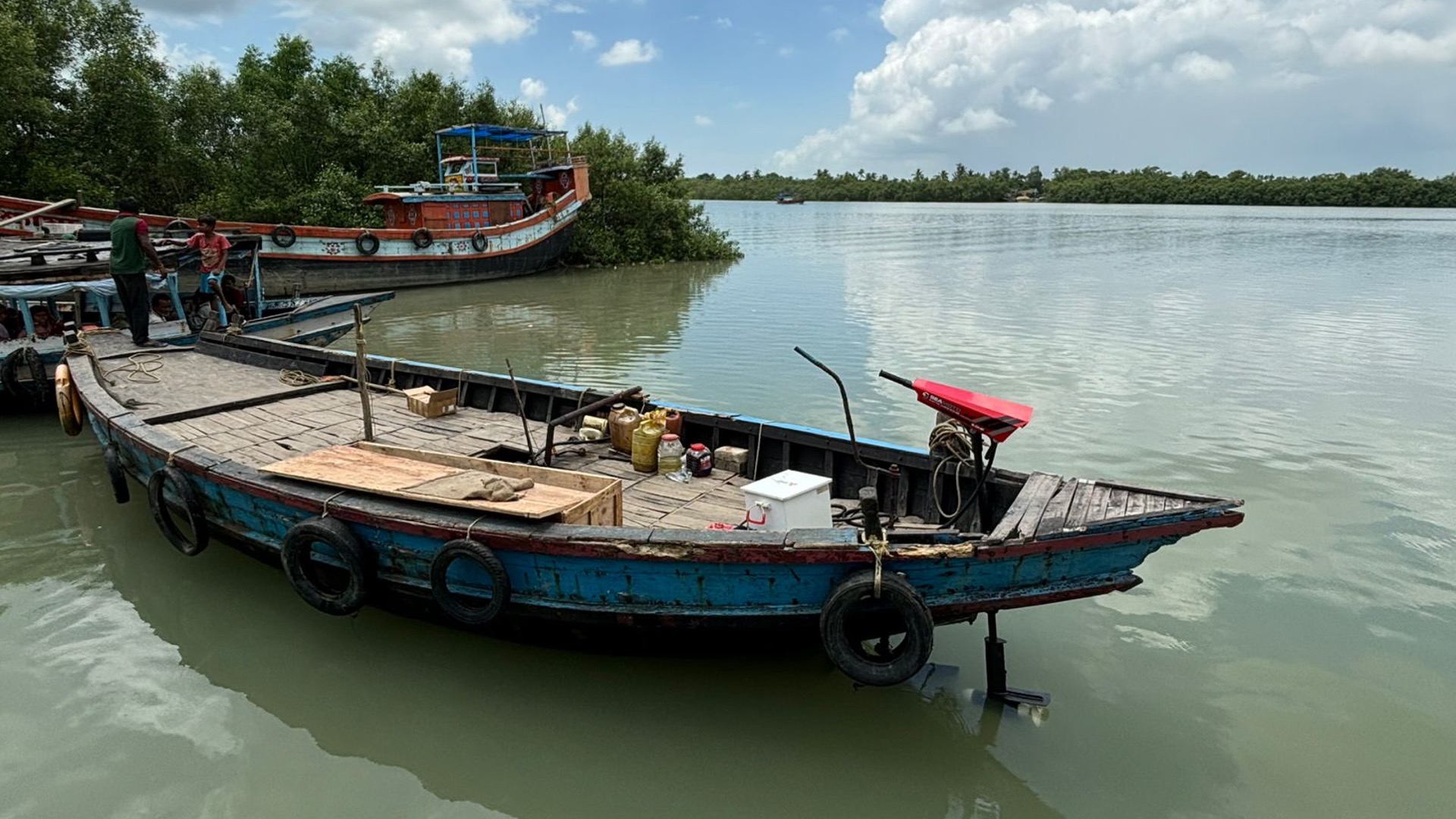
Fragile Mangrove ecosystems like the Sunderbans with solutions towards electric mobility, mangrove conservation, Flora and Fauna conservation of lesser cats like Jungle cats, Leopard Cats, Fishing cats etc
280
KW Solar Power Support Infrastructure
150
KM Solar Water Distribution Networks
250
HP Solar Powered Water Infrastructure
5000+
Forest Personnel Supported
Green tourism.
Electric Safari Vehicles
Solar Powered Water Distribution
150
Kilometers of solar powered water distribution network in protected areas
From check dams, lakes, old baories, borewells and lakes to create satellite points, Reducing carbon footprint of tiger reserves, by eliminating distribution of water tankersRanthambore tiger reserve: Bandhavgarh: 900 hectaresJim Corbett Tiger Reserve, Jhalana leopard park: 400 hectares, Sariska Tiger Reserve, Mukundra Hills Tiger Reserve, Ramgarh Vishdhari Tiger Reserve, Bandipur Tiger Reserve
Sustaining Life in Forest Plateaus
Dry and arid forest regions face acute water shortages, particularly in higher elevations and plateaus, during dry months. Wildlife often migrates to lower areas in search of water, increasing predator-prey conflicts and leading to human-animal encounters. Traditional water management methods, such as diesel pumps and tanker refills, are
- resource-intensive, noisy, often resulting in Increased risks of human-animal conflict during manual water refilling.
- environmentally damaging and High carbon emissions.
- Oil contamination of water holes, making them toxic for wildlife.
Solar-powered technology has revolutionized water management in these ecosystems providing a steady and sustainable water supply to higher elevations, reducing wildlife migration and conflicts. Off-Grid Solar Systems: Power anti-poaching camps, enabling continuous monitoring and enhancing forest protection efforts.
Further leading to Improved habitat resilience for prey and predator species by maintaining consistent water availability. Enhanced safety for forest personnel and reduced human-wildlife conflict risks.
The adoption of solar technology ensures a balanced and sustainable ecosystem, promoting biodiversity conservation while addressing the pressing water scarcity challenges in forest reserves. This scalable solution serves as a model for arid forest regions nationwide.
A thriving wildlife at water holes
Replacing diesel
pump sets with
Solar Pumps
Reducing carbon Footprint, and Lesser disturbance
for animals
Solar Off Grid
power stations
for Antipoaching camps in remote areas of
protected Reserves: 1KW, 2K, 5KW 10 KW, etc.
Anti-poaching camps are established again at strategic points to thwart away the poaching threat of wild animals. These camps are invariably in the remote parts of the reserve where there is no electricity connection. Off grid Solar powered systems are installed to help create a secure environment for the functioning of the camps especially during the night.

Solar Street Lighting
In forest fringe Villages
GCF, in partnership with ONGC, has installed solar street lighting systems in remote and underserved regions. These eco-friendly lights harness solar energy to provide sustainable illumination from dusk to dawn, enhancing safety and reducing carbon footprints.
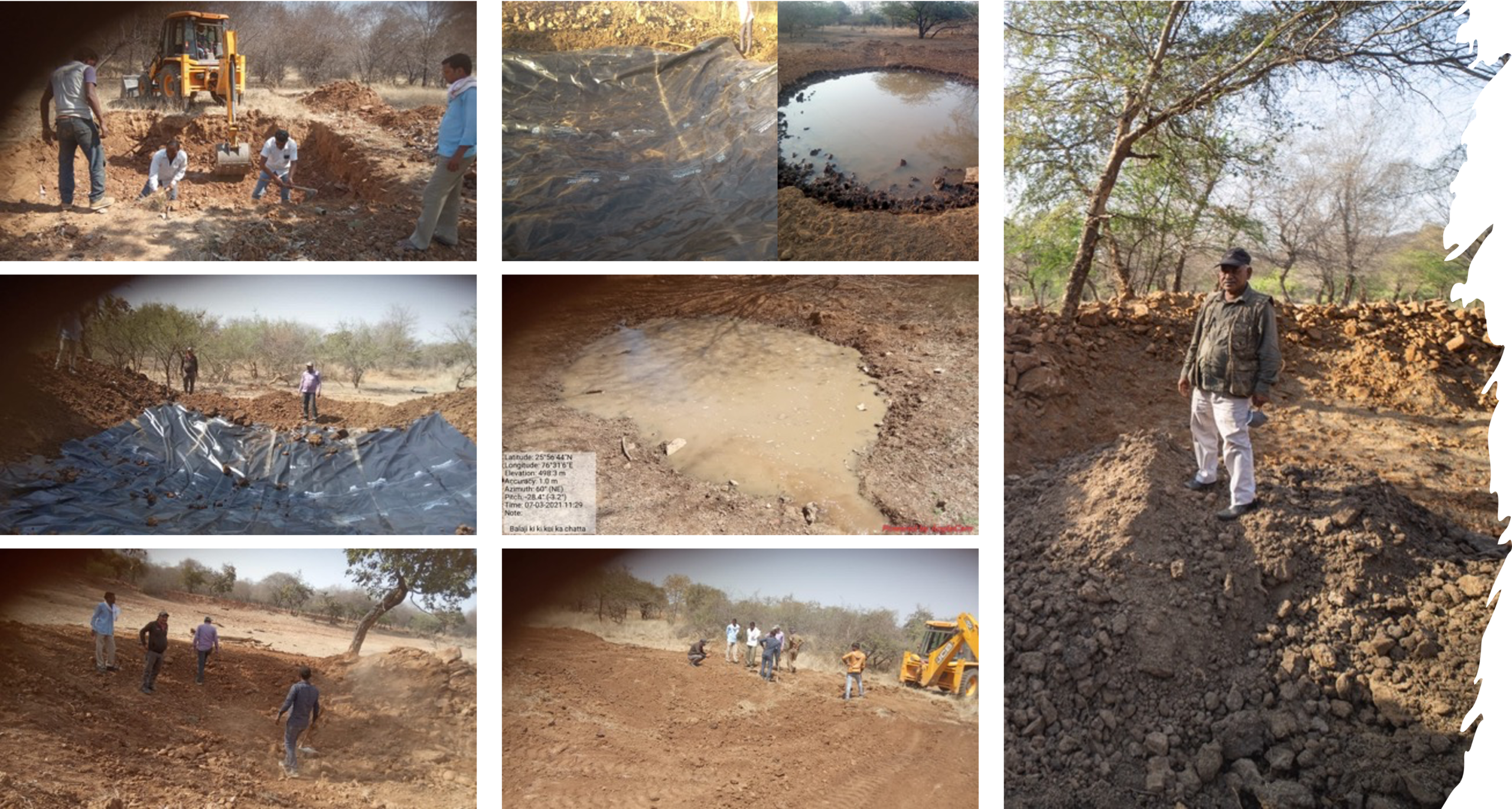
Rainwater harvesting
Rainwater Harvesting Structures, With Easier Construction And Greater Water Retention, Using Gi-membrane Lining To Prevent Water Run Off And Percolation.

Ramgarh Vishdhari Tiger reserve¸
Vulture
Restaurant
The Ramgarh Vishdhari Tiger Reserve (RVTR), located across the Bundi and Bhilwara districts, has taken a pioneering step by launching Rajasthan’s first-ever ‘Vulture Restaurant’ in a tiger reserve. A conservation initiative aimed at supporting vulture populations through the controlled dumping of animal carcasses.
Renowned for its rich biodiversity, RVTR is now expanding its conservation focus beyond tigers to include ecologically vital species such as vultures and wolves. After thorough research on the movement patterns of seven vulture species within the reserve, the Forest Department, in collaboration with the Guardbook Conservation Foundation, began implementing a structured vulture conservation program in 2024. This initiative involves the establishment of designated carcass dumping sites in areas with high vulture activity. These locations provide a safe, undisturbed environment for vultures to feed, helping to replicate natural scavenging conditions. The carcasses, collected from nearby villages, not only benefit vultures but also support other scavengers such as hyenas, jackals, wild boars, and occasionally leopards. To ensure continuous monitoring and data collection, the Forest Department has installed live surveillance cameras at the sites.
The Guardbook Conservation Foundation has played a vital role by donating a wildlife rescue vehicle and supporting the recruitment of a dedicated Wildlife Biologist to conduct scientific research on vulture behavior and population dynamics.
Early results are promising—camera trap footage has already recorded hundreds of vultures across all seven species, along with a variety of scavenging mammals. This initiative marks a significant milestone in integrated wildlife conservation in Rajasthan.

Mangrove
Conservation.
Fragile Mangrove ecosystems like the Sunderbans with solutions towards electric mobility, mangrove conservation, Flora and Fauna conservation of lesser cats like Jungle cats, Leopard Cats, Fishing cats etc.
Electric
Patrolling boats
Electric Retrofitting For Forest
Department And Tourism Boats
The tourist boats in the Sundarbans, run for an average of 10 hours a day for 180 days a year. Electric Retrofitting powered by an electric propulsion systems for Inbound engines in the Power/Capacity: 4/6 Cylinders